October 30, 2026 | Scorpio Season, Mercury Retrograde, and the Power of Discernment
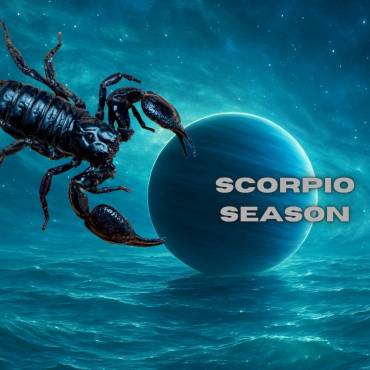
As we move deeper into Scorpio season and navigate Mercury retrograde, we are being invited to look beneath the surface, question what we have been told, and examine the hidden motivations behind the information we consume.
Scorpio is associated with secrets, power, transformation, and the uncovering of what has remained hidden. Mercury retrograde encourages us to review, reconsider, and look at familiar information from a different perspective.
This is a time to ask ourselves some important questions: Who controls the information we receive? What truths have been overlooked or misunderstood? And how do we distinguish genuine insight from fear, manipulation, and misinformation?
The day before Halloween seems especially appropriate for exploring these questions. Throughout history, witches, mediums, astrologers, and psychics have often been portrayed as dangerous, evil, or something to fear. Yet these practices have also been sources of spiritual exploration, personal understanding, and comfort for countless people.
What happens when we begin questioning the stories we have inherited?
Revisiting the Past: What Have We Been Taught to Fear?
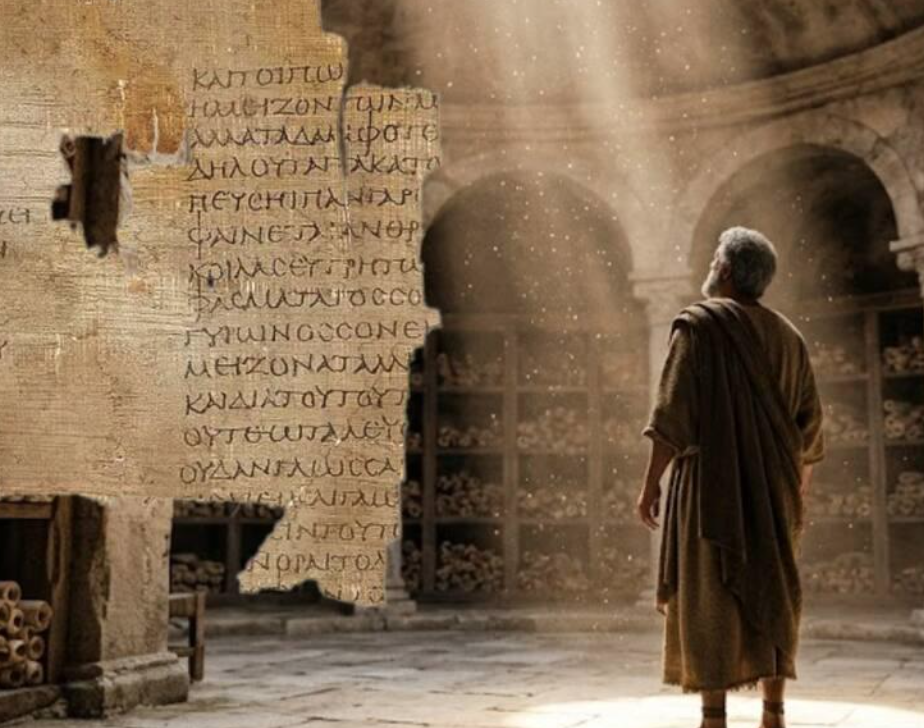
History is filled with examples of knowledge that was rejected, restricted, or challenged by the institutions of its time. Some ideas were suppressed through religious authority, political power, or social prejudice. Other ideas simply lacked the evidence or understanding needed for acceptance.
The history of metaphysical exploration is particularly fascinating.
During the eighteenth and nineteenth centuries, spiritualism, philosophical inquiry, and renewed interest in the unseen world attracted people seeking answers beyond conventional religious and scientific explanations.
One individual who stands out to me is Allan Kardec, the French educator and author associated with modern Spiritism. His influential work, The Spirits’ Book, was published in 1857 and explored questions about the soul, spiritual existence, morality, and the relationship between the physical and spiritual worlds.
Kardec’s life and work are worth exploring, especially if you are curious about the historical development of spiritualism. The 2019 Brazilian film Kardec, available through Netflix in some regions, dramatizes aspects of his life and the resistance he encountered.
His story reminds us that ideas challenging established beliefs can generate considerable controversy.
I am not suggesting that every rejected idea is necessarily true, or that every accepted explanation is false. Rather, I believe we should remain open to inquiry, examine evidence carefully, and be willing to reconsider what we think we know.
The question is not whether we should believe everything we hear. It is whether we are willing to investigate before deciding what to believe.
Ancient Civilizations and the Questions That Remain
There are still many unanswered questions about ancient civilizations, their accomplishments, and their eventual decline.
Archaeological discoveries continue to challenge earlier assumptions about what ancient people understood and what they were capable of building. Researchers are also investigating questions about Earth’s geological history, unusual environments, and the dimensions of the universe.
Antarctica, for example, has attracted considerable public fascination because of its extraordinary landscape, buried geological history, and the mysteries of its ice-covered interior. However, claims about hidden dimensions, lost civilizations, or other extraordinary discoveries need to be evaluated against reliable scientific evidence.
The same discernment applies to stories about giants.
Genesis 6:4 contains the familiar biblical passage:
“There were giants in the earth in those days…”
This passage has inspired centuries of theological discussion and speculation about the Nephilim, the identity of the “sons of God,” and the meaning of the ancient text.
What did these words mean to the people who first encountered them? How have interpretations changed throughout history? And how much remains open to debate?
These are fascinating questions worth exploring without assuming that every interpretation is a proven historical fact.
I believe our understanding of the past is continually developing. We should remain curious, but curiosity must be accompanied by discernment.
Power, Secrecy, and Accountability
Now let’s bring these questions into the present.
Around the world, many people are struggling to afford housing, food, healthcare, and other necessities. Families are working hard and still finding it difficult to get ahead. Meanwhile, allegations of corruption, financial misconduct, abuse of power, and institutional failures continue to undermine public trust.
When governments, corporations, religious institutions, or influential individuals misuse their authority, ordinary citizens deserve transparency and accountability.
The same principle applies to the protection of women and children. Human trafficking, sexual exploitation, and abuse are serious crimes that demand thorough investigations, meaningful protection for victims, and appropriate consequences for those found responsible.
The public has every reason to ask difficult questions when powerful individuals appear to receive different treatment from everyone else.
The Jeffrey Epstein case, for example, raised profound questions about wealth, influence, exploitation, and accountability. The release of records and public discussion surrounding the case have intensified demands for answers. However, the appearance of someone’s name in a document does not, by itself, establish criminal wrongdoing. Evidence, due process, and accountability must go hand in hand.
I sometimes wonder why accountability can seem so slow or incomplete when influential people are involved. It is a question that deserves serious attention, not silence.
I also have a personal concern: What happens to public confidence when people believe that those entrusted with power are protecting one another rather than serving the public?
That concern is my own perspective, and I believe it is important to distinguish personal interpretation from established fact.
We must be willing to examine wrongdoing wherever it occurs, regardless of political affiliation, financial status, religious position, or social standing.
No institution should be above accountability.
The Need to Control the Narrative
One of my greatest concerns today is how easily people can be distracted, divided, and turned against one another.
We live in an age of continuous information. News, commentary, social media posts, edited videos, and AI-generated images compete for our attention every minute of the day.
Some information is carefully researched and presented responsibly. Other content is designed to provoke outrage, generate clicks, manipulate emotions, or persuade us to accept a particular point of view.
And sometimes, a convincing image or video may not show what we think it shows at all.
This is why discernment has become essential.
Do not rely on a single television network, social media platform, commentator, or website to tell you everything you need to know. Seek out credible sources. Compare reporting. Look for original documents when available. Distinguish verified facts from allegations, speculation, and personal opinion.
Ask yourself:
- Who created this information, and why?
- Is there reliable evidence to support the claim?
- Can I find independent sources that confirm it?
- Is this content informing me, or is it deliberately provoking fear and hatred?
- Am I reacting emotionally before I have had time to think?
Most importantly, be careful about allowing other people’s anger to become your own.
We can disagree without hating one another. We can demand justice without abandoning compassion. We can question authority without believing every conspiracy presented to us.
Our responsibility is to remain awake, aware, and thoughtful.
The Astrological Perspective: Transformation Is Not Always Comfortable
When I look at astrology, I see a powerful symbolic language for understanding periods of change.
The planetary configurations of our time reflect themes that astrologers associate with deep transformation, the dismantling of outdated structures, rebellion against established systems, and sudden shifts in collective priorities.
Some changes unfold gradually. Others arrive with startling speed.
This combination can feel unsettling because we are being asked to reconsider what once seemed permanent.
Scorpio season brings our attention to what lies beneath the surface: our fears, attachments, secrets, motivations, and relationship with power. Mercury retrograde offers an opportunity to review information, reconsider decisions, and revisit subjects we may have misunderstood.
Rather than treating these astrological cycles as proof of a particular prediction, I encourage you to use them as opportunities for reflection.
Where are you holding on too tightly?
What beliefs have you accepted without examination?
Where do you need greater honesty, healthier boundaries, or a willingness to release control?
And what would change if you approached uncertainty with curiosity instead of fear?
Astrology does not remove our free will. It gives us another way to reflect on ourselves and the times in which we live.
We Are Changing, Even If We Don’t Yet Know What Comes Next
Consider how much the world has changed in just ten years.
Think back to 2016. Can you remember what everyday life looked like then?
Smartphones and social media were already important, but the way we used technology has changed dramatically. Streaming has transformed how we watch television and movies. Remote work and video conferencing have become ordinary parts of life for millions of people. Artificial intelligence has moved from a specialized field into everyday conversations, creative work, education, and business.
Here are a few examples:
- Streaming and entertainment: Netflix and other streaming services were already popular, but our viewing habits have continued to shift away from traditional cable schedules and toward on-demand content.
- Communication: Video calls were available in 2016, but tools such as Zoom became familiar to far more people during the pandemic and remain central to work and education.
- Artificial intelligence: In 2016, most people were not having daily conversations with generative AI tools. Today, AI can help produce writing, images, audio, and video, making digital discernment more important than ever.
- Shopping and payments: Online shopping, digital wallets, and contactless payments have become increasingly integrated into everyday life.
- Work and education: Remote meetings, online courses, and virtual appointments have opened new ways for people to learn, earn, and connect across geographical boundaries.
- Information itself: We can access enormous amounts of information almost instantly, yet determining what is accurate has become more challenging.
Of course, many things from 2016 still exist. The point is not that everything disappears in a decade. It is that our habits, expectations, and ways of interacting with the world can change profoundly within a relatively short period.
Imagine what the next ten years might bring.
I believe we are entering a period of significant transformation. It may take years, even decades, for the full effects of technological, cultural, political, and spiritual changes to become clear.
Some familiar structures may evolve or disappear. New ways of living, working, learning, and understanding ourselves may emerge.
We do not have to know every answer today.
We do, however, have a responsibility to decide how we will meet the changes ahead.
How Do We Remain Calm When the World Feels Unsettled?
We cannot control every government decision, corporate action, news story, or global event. We cannot force other people to think as we do. And we cannot always know what will happen next.
But we can take responsibility for our own attention, choices, and daily practices.
When the world feels overwhelming, return to what grounds you.
Pray and meditate. Make time to connect with the Divine, seek wisdom, and cultivate inner peace. Ask for guidance from the Spirit of Truth, and allow yourself the quiet needed to listen.
Spend time in nature. Walk outside. Notice the trees, the sky, the changing light, and the rhythms of the natural world. Give your mind a break from the constant flow of information.
Nourish your body. Choose the best-quality food available to you, drink sufficient water, and make room for rest and movement. Caring for your physical body supports your ability to navigate stressful times.
Be selective about what you consume. This includes the food you eat, the media you watch, the conversations you participate in, and the information you allow to occupy your thoughts. Step away from content that repeatedly fuels hatred, fear, or emotional exhaustion.
Choose love without abandoning discernment. Love does not mean ignoring injustice or accepting harmful behavior. It means seeking truth without losing our humanity, setting boundaries without cruelty, and working toward solutions rather than feeding division.
Focus on what you can influence. Help someone in need. Support causes that matter to you. Treat people fairly. Use your voice responsibly. Take practical action where action is possible, and recognize when you need to step back and restore your energy.
We do not have to participate in every argument or respond to every disturbing headline.
Sometimes the wisest thing we can do is pause, breathe, and choose our next action deliberately.
Create a Daily Ritual of Gratitude and Peace
During Mercury retrograde, I encourage you to establish a simple daily practice that brings you back to yourself.
You do not need elaborate tools or hours of free time. Consistency is more important than complexity.
In the morning:
- Before reaching for your phone, take a few slow, comfortable breaths.
- Give thanks for three things in your life, no matter how small.
- Set an intention for how you want to move through the day. Perhaps it is patience, clarity, kindness, or courage.
- Spend a few moments in prayer or meditation, asking for wisdom and guidance.
During the day:
Take a short break from the noise. Step outside if possible. Listen to the birds, notice your surroundings, or simply sit quietly.
If you feel overwhelmed by something you have read or watched, pause before reacting. Give yourself time to separate what you know from what you fear or suspect.
In the evening:
Review your day. What went well? What did you learn? What are you grateful for? Is there anything you need to release before going to sleep?
You might also try a simple sound-clearing ritual. Ring a bell, use a tuning fork or singing bowl, or clap your hands to mark the beginning of a quiet moment. Even humming gently for a short period can serve as a grounding practice and help you shift your attention.
Use these practices as invitations to become more present, not as obligations to perform perfectly.
The purpose is to create a little more peace within yourself, one day at a time.
The World Is Changing. Let Us Choose How We Change With It.
I do not believe we need to live in fear of the future.
We can acknowledge corruption without becoming consumed by cynicism. We can seek the truth without accepting every sensational claim. We can recognize suffering without allowing it to destroy our capacity for compassion.
We can also accept that some questions may remain unanswered for a while.
Perhaps the greatest challenge of this period is learning to live with uncertainty while remaining grounded in our values.
As we move through these times of revolution, rebellion, deception, and transformation, let us remember that we still have choices. We can choose what we believe, how we respond, whom we support, and what we contribute to the world around us.
The world may change in ways we cannot yet imagine. Our task is not to control every outcome. It is to meet change with wisdom, courage, discernment, and compassion.
Love is not weakness. Love is a conscious choice to remain connected to our humanity, even when the world feels divided.
Let us pray for peace, act with integrity, seek truth responsibly, and send love into the world.
One breath, one thoughtful decision, and one act of kindness at a time.
Ready to Explore Astrology for Yourself?
If you are curious about astrology but want to understand it in a practical, approachable way, I invite you to join me for Reclaim Your Power Through Astrology, a live, interactive Zoom experience.
Wednesday, November 11, 2026
4:00–5:30 PM Eastern Time
Discover how astrology can help you understand yourself, recognize personal patterns, and approach life’s challenges with greater awareness.
You do not need to be an experienced astrology student. This experience is designed to help you explore astrology in a user-friendly way, with opportunities to ask questions and learn directly from me.
After more than five decades of studying and applying astrology, I believe it can be a valuable tool for self-understanding and personal growth.
Your birth chart does not take away your free will. It offers a map for exploration. You decide how to use what you discover.
Join me and begin reclaiming your power through astrology.
Visit Holistic Healing Astrology to learn more and reserve your place.
With love and peace,
Ev Zervoudakis
Founder, Holistic Healing Astrology, Inc.